
24
Jul

Cardanol Quality for Phenalkamine: A Buyer’s Guide
A practical guide to comparing cardanol feedstock specifications, reading TDS and COA data, and planning sample qualification for phenalkamine production.




The cashew value chain includes both food products and industrial materials derived from processing by-products. Cashew shells provide a feedstock for CNSL extraction, while CNSL can be further processed into refined grades, cardanol and heavy residue. For industrial buyers, this creates a supply-chain opportunity that depends on consistent quality and documented material flows.
Shells, crude CNSL, refined CNSL, degummed CNSL, cardanol and liquid residue are distinct products. The processing route determines the offered grade and relevant tests. Solid de-oiled shells are also different from liquid distillation residue. Accurate naming helps buyers choose a suitable product and align samples, technical documents, quotations and shipping descriptions.
Producing a more refined material can add value when it meets a downstream requirement. Chemical buyers may prioritise composition, colour and processing behaviour. Fuel buyers may focus on viscosity, water, ash, sulfur and contaminants relevant to their equipment. A single premium or a single specification cannot represent every CNSL stream. The commercial comparison should use the same grade, quality basis and delivery terms.
Processing location and raw-material origin describe different parts of the chain. Buyers should request the origin and traceability information applicable to their material rather than infer it from an export country. Where sustainability certification is required, the certificate scope and consignment documentation must match the supply being purchased. Published company information alone does not establish the status of an individual shipment.
DP Biomaterials works with cashew-derived products for industrial customers. Our product portfolio includes CNSL grades, cardanol and residue, alongside cashew-shell biomass products. Commercial enquiries are assessed by grade, end use and quality requirements. Available capacity and delivery allocations are confirmed at quotation, rather than assumed from a general market description.
Contact info@dpbiomaterials.com or our commercial team. Please specify the product grade, end use, monthly volume, destination port, packing and required tests. We will confirm the applicable TDS, SDS, shipment COA, availability and commercial terms for your enquiry.
Explore the CNSL and cardanol product portfolio. Industry context: Vietnam Cashew Association (VINACAS).
A practical guide to comparing cardanol feedstock specifications, reading TDS and COA data, and planning sample qualification for phenalkamine production.

Understand the role of CNSL-derived phenalkamine in epoxy coatings and adhesives, then evaluate the correct curing-agent grade, formulation data and substrate conditions.
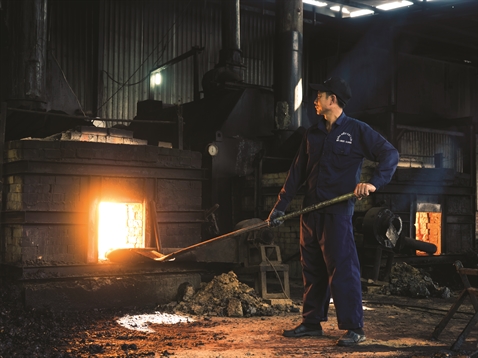
How crude, refined, degummed CNSL and heavy residue differ, which quality parameters industrial buyers should review, and how TDS, COA and sustainability documents support purchasing decisions.
Comments (0)
There are no comments yet. Be the first to share your thoughts!